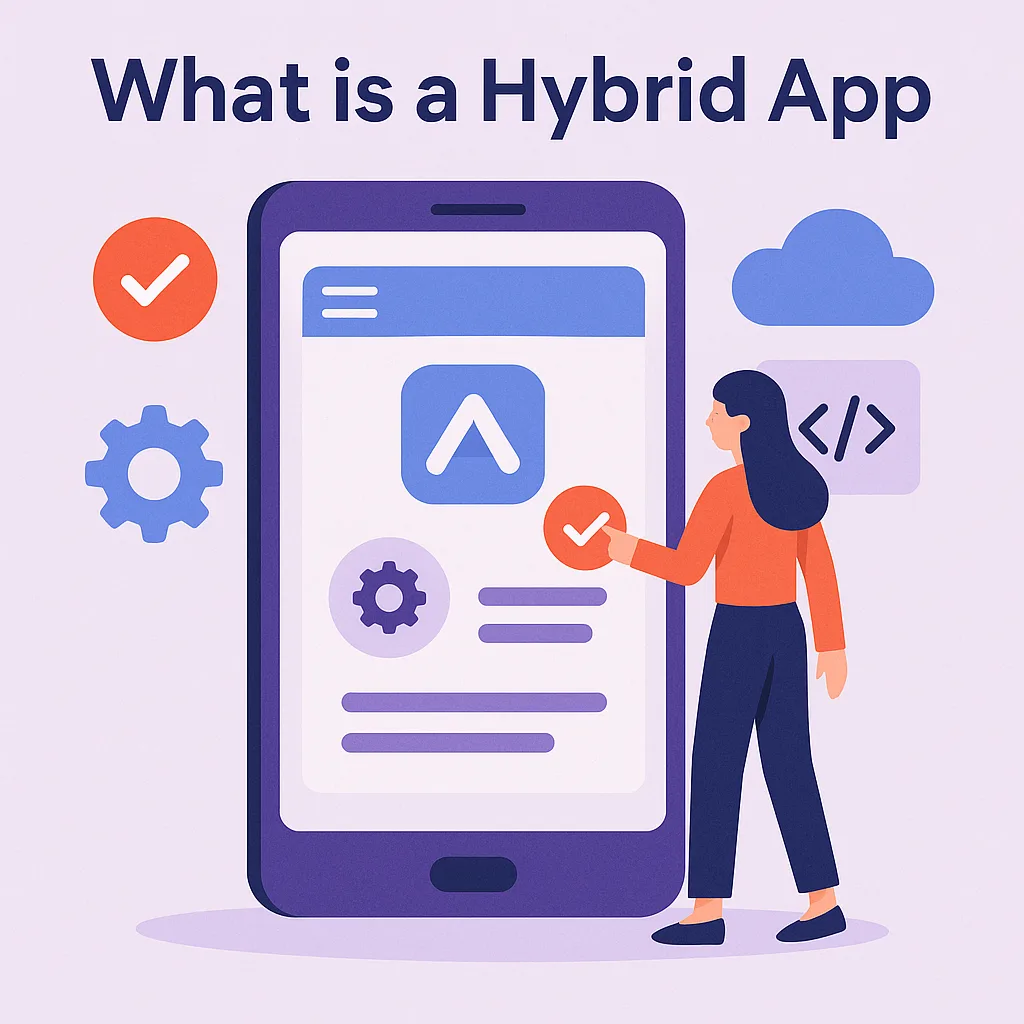
If you have ever wondered what is a hybrid app, think of it as the best of both worlds. A hybrid app is one of the web applications that blends the features of native apps and web applications. Like native apps, hybrid apps need to be downloaded from app stores. However, under the hood, they are built using web technologies like HTML, CSS and JavaScript. One of the biggest advantages of hybrid apps is that they can run both online and offline. If the app doesn’t depend on live database calls, users can still interact with it without an internet connection. This makes hybrid applications versatile and user-friendly. Some popular examples you already know include Uber, Ola, Twitter, Gmail, Instagram and the Amazon App Store. Their success shows the potential of hybrid apps in the competitive world of mobile apps.
Diving Deep into Application Types: Web, Native and Hybrid
To fully understand hybrid apps, lets compare them with web apps and native apps.
What is a Web App?
A web app is a program that runs entirely in a browser like Chrome or Safari without requiring installation. These apps use front end technologies like HTML, CSS and JavaScript and often connect to back end stacks such as MEAN or Hibernate. Web apps are lightweight but limited. They rely on an internet connection, struggle to access device specific features and may appear inconsistent across different browsers.
What is a Native App?
Native apps are built specifically for one platform and downloaded from app stores. Android apps use Java, Kotlin or Ruby, while iOS apps use Swift or Objective C. Native apps can fully access device features like the camera, GPS, fingerprint scanner and notifications, providing a superior user experience and performance. Native apps can also work offline, making them powerful but more costly to develop because they require separate builds for each platform.
What is a Hybrid App?
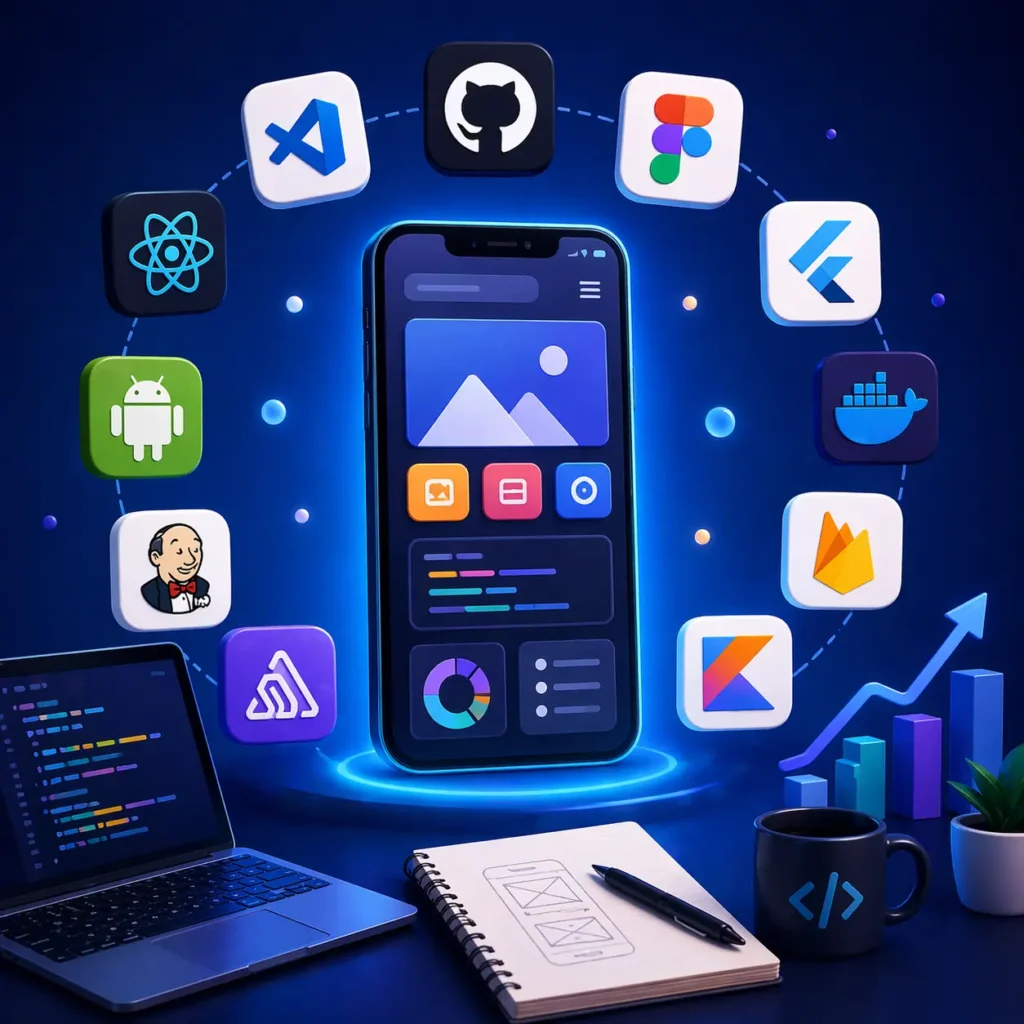
A hybrid app combines these two worlds. It is downloaded and installed like a native app but functions more like a web app internally. Developers use languages like HTML5, JavaScript and CSS, wrapping the code in a native container. This container uses WebView or WKWebView to display content while plugins bridge the gap to native device features. Hybrid apps are often built using frameworks such as React Native, Flutter, Ionic, Cordova or Capacitor, making them a flexible choice for cross platform development.
Advantages of Hybrid Apps
Hybrid apps have become popular because they offer practical benefits for businesses:
- Increased Reach: One codebase can be deployed both on Android and iOS.
- Simpler Scalability: Any updates and new features are introduced simultaneously across all platforms.
- Reduced Cost of Development: It requires less time and fewer resources as opposed to native apps.
- Easy Maintenance: All versions are patched at the same time.
- Availability to Device Capabilities: Hybrid apps are able to access native hardware through the use of a plugin.
- Cross-Platform Compatibility: Operates on various platforms with ease.
- Shorter Development Time: Suited to companies that have short deadlines.
- Easy-to-use:Less specialized knowledge of code is required.
- More Rapid Time to Market: Vital to startups and enterprises intent on rapid growth.
Disadvantages of Hybrid Apps
Hybrid apps also come with certain trade offs:
- Performance issues: Dependent on the embedded browser, making them less efficient than native apps.
- Testing Complexity: Testing across multiple platforms can be challenging.
- UI/UX Inconsistencies: Variations in browser rendering may affect design consistency.
- Browser Dependency: App performance can be limited by browser quirks.
- Higher Battery Consumption: The use of web technologies may drain power faster.
- UI Library Recreation: Without robust frameworks, developers may need to rebuild common controls.
How Emedia Infosoft Can Help You with Hybrid App Development Services
At Emedia Infosoft, we specialise in creating custom hybrid apps that combine performance, scalability, and affordability. Our skilled development team uses frameworks like React Native, Flutter and Ionic to produce mobile app solutions that are dependable and strong enough to meet your company’s needs.
We are aware of the difficulties in optimising speed and keeping a consistent user interface/user experience across platforms in hybrid development. You gain from using our services to create hybrid apps in the following ways:
- Cross-platform solutions to maximize audience reach.
- Cost-effective development that reduces overhead.
- Rapid deployment to get your app to market faster.
- Scalable architectures that grow with your business.
Whether you are a startup or an established enterprise, Emedia Infosoft, app development agency India in delivering hybrid app development services that accelerate business growth. Ready to expand your reach with a single codebase hybrid app? Contact Emedia Infosoft today and let’s build your next breakthrough mobile solution.