Mobile applications are now part of everyday life. Booking rides, shopping and bill payments are handled through mobile devices. What once considered innovation, has become a routine expectation. Speed, convenience and accessibility define the modern user experience. For businesses, mobile applications are powerful engagement tools. They help to manage orders, process payments, support customers and maintain direct communication. An app allows companies to control their brand experience while building stronger customer relationships. A well developed app enhances user satisfaction and creates new growth opportunities. Before starting development, understanding the fundamentals is critical. Clear direction at the beginning reduces risk, controls costs and sets the foundation for a successful mobile application.
What Is Mobile App Development?
Mobile app development refers to building digital applications designed specifically for smartphones and tablet devices. These apps are published on platforms like the Google Play Store for Android and the Apple App Store for iOS. Common examples include shopping apps such as Amazon and food delivery platforms like Swiggy. They simplify everyday tasks, allowing users to shop, order or access services directly from their phones. Mobile apps solve practical problems by saving time, improving accessibility and offering personalized experiences. For businesses, this leads to stronger customer engagement, improved brand presence and better revenue potential.
Understanding the fundamentals before starting development helps set clear goals, select the right technology and ensure long term growth.
Types of Mobile Apps
There are different types of mobile apps and each serves a specific purpose depending on business goals, budget and performance needs. screen sizes
Native Apps
Native applications are developed specifically for one operating system such as Android or iOS. Developers use platform specific languages and tools to create them. These apps offer the best performance, smooth navigation and strong security. They integrate well with device features like camera, GPS and notifications.
Benefits:
- High speed and performance
- Better user experience
- Strong security
When to use:
Choose native apps when performance, advanced features and scalability are top priorities.
Example: WhatsApp for Android or iOS.
Hybrid Apps
Hybrid applications are designed to run on both Android and iOS platforms through a shared code framework. They combine elements of native and web technologies.
They are faster to develop and cost effective compared to native apps.
Benefits:
- Lower development cost
- Faster time to market
- One code works on multiple platforms
When to use:
Best for startups or businesses with limited budgets looking to reach both platforms quickly.
Example: Instagram initially used hybrid technologies in its early stages.
Web Apps
Web apps run directly in a mobile browser. These applications operate directly through a web browser, so there is no need to install them from an app store.
They are simple and affordable.
Benefits:
- No installation required
- Lower development cost
- Easy updates
When to use:
Ideal for businesses that want a basic online presence without investing in a full scale mobile app.
Example: Mobile versions of websites like Twitter Lite.
Things to Know Before Starting App Development
Before building an app, businesses should consider the following:
- Be clear about your app idea and the problem it solves.
- Identify your target audience and understand their needs.
- Decide whether you want Android, iOS or both platforms.
- List essential features your app must include.
- Set a realistic budget and timeline.
- Study competitors to find gaps and opportunities.
- Plan how the app will generate revenue.
- Choose between a simple or advanced design.
- Prepare for regular updates after launch.
- Partner with a reliable development agency or experienced team.
Clarity at this stage prevents confusion and cost overruns later.
Mobile App Development Process
Every successful app follows a structured development process.
1.Idea & Planning
Every app begins with a clear idea. Businesses must define the main purpose, whether it is increasing sales, improving customer service or simplifying operations. Companies outline their goals and list all essential features. This structured planning keeps the project organized and reduces future risks.
2.UI/UX Design
UI means User Interface, the visual appearance of the app, including colours, buttons and screen layouts. UX means User Experience, how easily users interact with the app. Navigation should be simple and intuitive. Clean layouts, readable text and clear design elements create a smooth experience. A simple and structured design prevents confusion and keeps users engaged.
3.Development
This is where the actual building happens. Developers write code and create all the working features of the app. Everything designed earlier becomes a functional application at this stage. Development usually takes the most time in the entire process.
4.Testing
Testing ensures the app works correctly. Developers identify and fix bugs, performance issues and compatibility problems. Testing also confirms that the app runs smoothly on different devices and screen sizes. A well tested app improves user satisfaction and brand trust.
5.Launch
Once testing is complete, the app is released on the Google Play Store and the Apple App Store, allowing users to download and start using it.
6.Maintenance
App development does not end after launch. Regular updates keep the app secure and relevant. Maintenance includes fixing issues, improving performance and adding new features. Continuous improvements help retain users and strengthen market position.
Cost Factors in Mobile App Development
The overall expense of building a mobile application depends on multiple variables that shape the project scope and technical requirements. App complexity plays a major role. Simple apps cost less, while advanced apps with complex features require higher investment. The number of features also affects pricing. More functionality means more development time. Design quality matters as well, basic designs cost less, advanced designs increase the budget. Platform choice impacts cost. Developing for Android, iOS or both changes the overall pricing structure. Backend requirements such as login systems, databases and admin dashboards can further increase costs. Simple applications require a smaller investment, while feature rich and complex apps demand a higher budget. Many businesses choose experienced app developers India to balance quality and affordability.
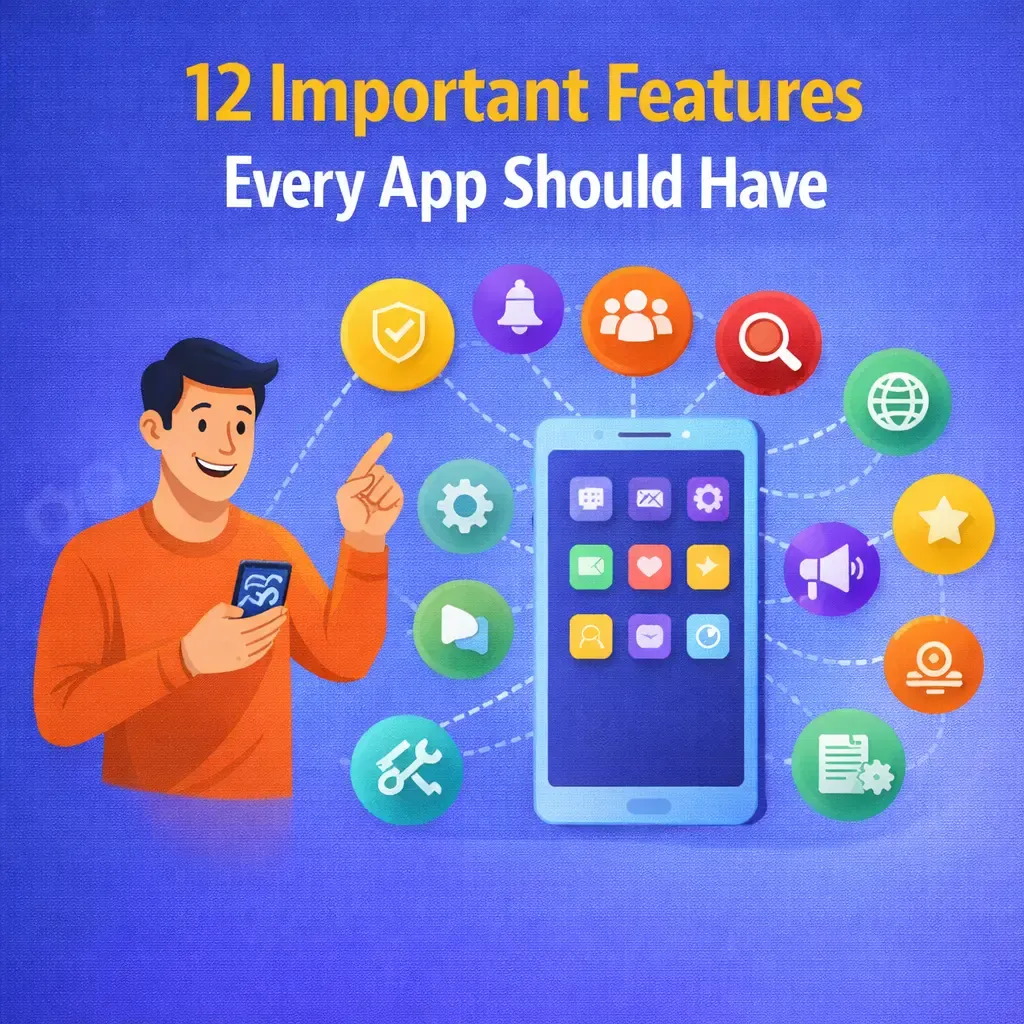
Essential Features Every Mobile App Should Have
- User friendly design – The app should feel simple from the first tap. Clear buttons, readable text and logical layouts help users complete tasks without confusion or frustration.
- Fast loading speed – Users expect instant access. If the app takes too long to open or switch screens, they may leave and not return. Speed directly impacts user retention.
- Secure login – Safe sign in methods such as OTP, biometrics or secure passwords protect user accounts and build trust in the platform.
- Push notifications – Timely alerts keep users updated about offers, reminders or important updates, helping businesses maintain regular engagement.
- Payment gateway – A reliable and secure payment system allows users to complete transactions smoothly, increasing convenience and revenue opportunities.
- Real time chat – Instant messaging features improve customer support and allow quick communication between users and businesses.
- Smooth navigation – Users should move between screens effortlessly. Clear menus and structured sections improve usability and overall experience.
- Data security – Strong protection measures safeguard personal and financial information, which is critical for credibility and compliance.
● Offline access – Allowing certain features to work without the internet improves usability, especially in areas with unstable connectivity.
Common Mistakes to Avoid in App Development
- Copying competitors blindly – Analyzing competitors is a smart way, but copying them exactly removes your uniqueness. Every app should offer its own value and identity.
- Ignoring user experience – A confusing layout or complicated navigation frustrates users. If people cannot use the app easily, they will uninstall it quickly.
- No clear plan or budget – Starting without proper planning often leads to delays, unexpected costs and unfinished projects. Clear direction keeps everything on track.
- Too many features – Adding excessive features makes the app heavy, slow and difficult to use. Focus on essential functions first.
- Poor testing – Skipping proper testing results in bugs and performance issues. Users lose trust when apps crash or malfunction.
- Forgetting updates – An app needs regular improvements. Without updates, it becomes outdated, less secure and less competitive.
FAQs
- How long does it take to develop a mobile app?
Development time depends on complexity. A basic app may take 2 to 4 months, while advanced apps can take 6 months or longer. - Do small businesses also need mobile apps?
Yes. Mobile apps help small businesses improve visibility, build customer loyalty and increase sales. - What is the difference between Android and iOS apps?
Android apps run on a wide range of devices, while iOS apps are built specifically for Apple devices and follow strict performance standards. - Is app maintenance necessary after launch?
Yes. Regular updates are important for security, performance and compatibility with new devices. - Can I start with a basic version and upgrade later?
Yes. Many businesses launch a minimum version first and gradually add advanced features over time.
Conclusion
Mobile app development has become a strategic necessity for modern businesses. It strengthens customer engagement, improves operational efficiency and creates new revenue opportunities. Understanding the basics allows companies to make informed decisions, control costs and reduce risks during development. Choosing reliable Mobile app development services in India ensures technical precision and long term scalability.
Emedia Infosoft combines industry expertise with strategic execution to deliver high performance mobile applications. Partnering with the right development team is the foundation for building a secure and scalable mobile app.

Ravikant
I am Ravi Kant, the Business Head at Emedia Infosoft an Apps Development Company. With over 12 years of experience in mobile app development, I specialize in creating powerful and scalable solutions tailored to modern business needs. My expertise includes Android and iOS app development, cross-platform solutions, UX/UI strategy, agile project management, and business consulting. Over the years, I have led and delivered custom app solutions across various industries, with a strong focus on mobile app development in Gwalior and across India. I believe mobile technology can transform the way businesses operate, and I am passionate about making that transformation seamless and scalable. I am committed to helping businesses grow by harnessing the true potential of mobile technology.